
Building a budget can feel hard. Many people try but give up fast. They think budgeting means no fun or too many rules. But a good budget helps you live without money stress. It shows where your money goes. It helps you save for things you want. You can make a budget that works for you. Here is how.
Why Make a Budget?
A budget is a simple plan for your money. It tells you how much you earn and spend. Without a budget, money can disappear quickly. You may not know where it goes. A budget helps you:
- Stop spending too much
- Save money for the future
- Pay bills on time
- Buy things you really need
- Avoid money problems
Making a budget is the first step to control your money. It is a way to see the big picture. It is not about being perfect. It is about being clear.
Step 1: Know Your Income
The first step is to know how much money you get. This is your income. Income means money coming in. It can be from a job or business. It can be money from other places too, like gifts or help from family.
Write down all your income sources. Use the amount you get after taxes. This is called “net income.” This is the money you really have to spend.
Step 2: List Your Expenses
Next, write down all your expenses. Expenses are the money you spend. Some expenses happen every month. These are called fixed expenses. Examples:
- Rent or house payment
- Electricity and water bills
- Phone and internet bills
- Loan payments
Other expenses change every month. These are variable expenses. Examples:
- Food and groceries
- Transport and fuel
- Clothes and gifts
- Entertainment
Try to be honest and write down everything. Even small expenses matter. They add up fast.
Step 3: Separate Needs and Wants
Not all expenses are the same. Some things you must pay for. These are needs. Needs keep you safe and healthy. Examples of needs:
- Food
- Housing
- Utilities
- Medicine
Other things are wants. Wants are things you like but don’t need. Examples of wants:
- Eating out
- New clothes for fun
- Movies or games
- Vacations
Knowing the difference helps you decide where to save money.
Step 4: Add Up Expenses and Compare to Income
Now add all your expenses. Make two totals: needs and wants. Then add them for the total monthly cost.
Compare this total to your income. If expenses are more than income, you need to change something. If income is more, you can save or pay debts.
Step 5: Make Changes to Your Spending
If you spend more than you earn, do not worry. Many people start here. Look at your wants first. Can you spend less on wants? Maybe eat out less or skip buying new clothes this month.
Look at your needs too. Can you save on electricity? Turn off lights when not needed. Use less water. Small changes help a lot.
Try to lower your expenses until they are less than your income. This way, you have money left over.
Step 6: Set Savings Goals
Savings are money you keep for later. You can save for many things. Like a new phone, a trip, or emergencies. Saving money is important. It helps you when something unexpected happens.
Decide how much money you want to save each month. It can be a small amount. Even a little saved is good. Put this amount in your budget as a fixed expense. Treat it like a bill you must pay.
Step 7: Use Simple Tools to Track Your Budget
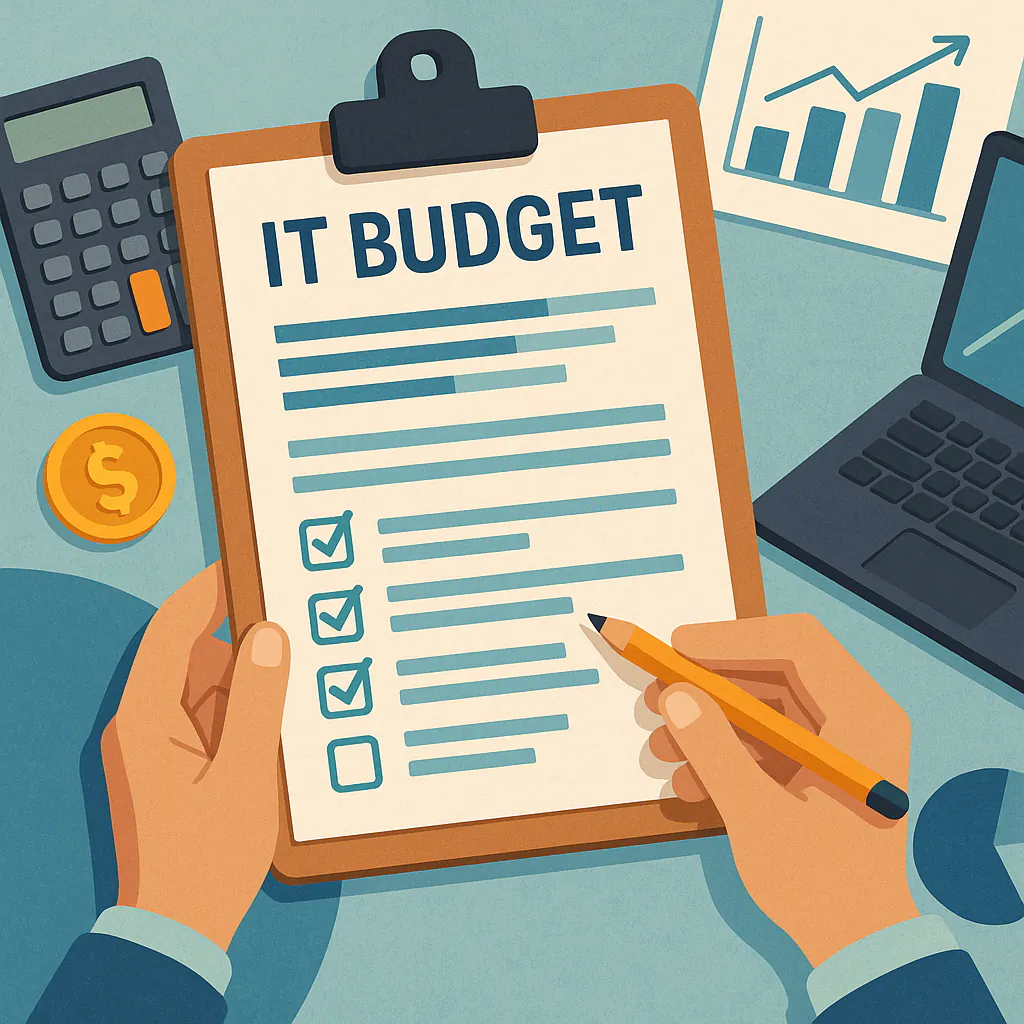
You can use paper and pen to write your budget. Or use a notebook. Some people use apps on their phone. Use what works best for you.
Every day or week, write down your spending. Check if you are following your budget. If you spend too much, adjust next time.
Credit: www.mydoceo.com
Step 8: Review Your Budget Regularly
Your budget is not a one-time plan. It changes as your life changes. Review it each month. See what worked and what did not.
Change your budget if you get more or less money. Or if your expenses change. This keeps your budget useful and real.
Tips for a Budget That Works
- Be realistic: Don’t make a budget you cannot follow.
- Be patient: It takes time to get better.
- Include fun money: Save some for small treats.
- Ask for help: Talk to family or friends if you need advice.
- Keep records: Save receipts and bills to check your spending.
Example Budget Table
Here is a simple example of a budget for one month:
| Category | Amount ($) |
|---|---|
| Income (after tax) | 1000 |
| Rent | 400 |
| Utilities (electricity, water) | 100 |
| Food | 200 |
| Transport | 50 |
| Phone and Internet | 50 |
| Savings | 100 |
| Entertainment and fun | 50 |
| Total Expenses | 950 |
| Money left | 50 |
This example shows expenses less than income. The person can save money and has some left for extra costs.
Credit: setup.us
Common Mistakes to Avoid
- Not tracking small expenses.
- Setting goals that are too hard.
- Ignoring unexpected costs.
- Being too strict and giving up.
- Not reviewing the budget often.
Final Thoughts
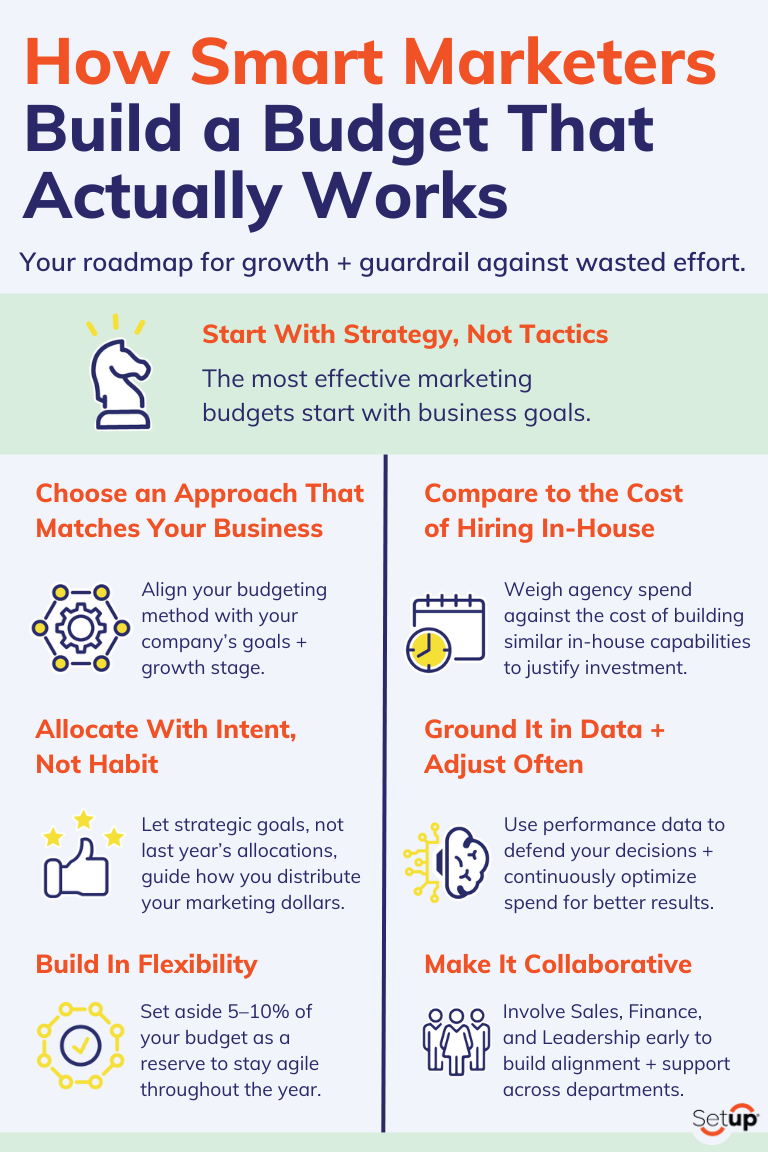
Building a budget is not about stopping all fun. It is about using money wisely. A budget helps you feel safe with your money. It helps you make plans for the future. Start simple. Take small steps. Keep checking your budget. Adjust it when needed. Soon, you will see your money work for you. Not the other way around.
Remember, a budget is your friend. It helps you live better with the money you have.
Frequently Asked Questions
What Is The First Step To Create A Budget That Works?
Start by tracking your income and expenses for a month. This helps you know where your money goes.
How Much Of My Income Should I Save Monthly?
Aim to save at least 20% of your income. This builds a good financial safety net.
How Can I Track My Spending Easily?
Use apps or a simple notebook to write down every expense. This keeps you aware and in control.
What Are Fixed And Variable Expenses In Budgeting?
Fixed expenses stay the same each month, like rent. Variable expenses change, like groceries or entertainment.