
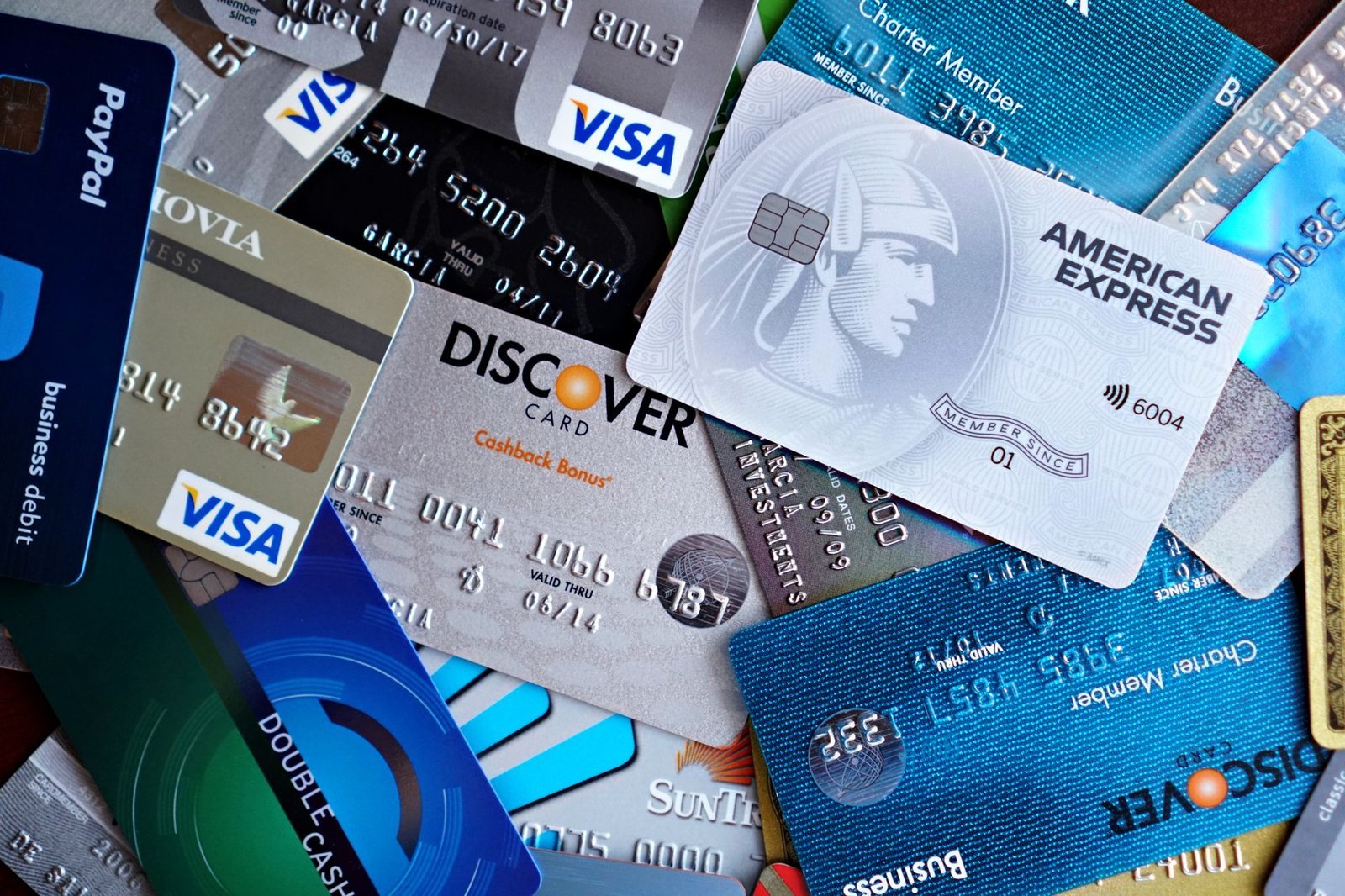
You track your spending and use a strict monthly budget to stop overspending and control your spending habits. The most common cause of this issue is impulsive buying triggered by emotional states or digital convenience. If you’re struggling, start by listing every transaction from the last 30 days to see exactly where your money goes. You can check your local financial authority’s consumer guidance on budgeting to find templates that help you organize these numbers.
Why your bank account feels empty
Many people lose control of their finances because they treat small, daily purchases as isolated events rather than a single, cumulative drain. When you buy a coffee or a snack every day, you don’t feel the impact of a modest cost. However, these small amounts add up to a significant sum over a month. This is known as “spending drift,” where your habits change slowly without you noticing the total cost.
Another cause is the ease of digital payments. When you use a card or a mobile wallet, you don’t physically see the money leaving your hand. This disconnect makes it easier to justify a purchase because it feels less “real” than handing over cash. If you find yourself checking your balance only after you have already spent the money, you have lost the ability to make a conscious choice about your needs versus your wants.
Track your daily cash flow
To fix your spending, you must first create a clear map of your financial life. Start by reviewing your bank statements for the last full month. Sort every single expense into two piles: needs and wants. A need is something you must pay to survive, like rent, basic groceries, and utility bills. A want is everything else, such as dining out, subscriptions, or new clothes.
If you find that your “wants” take up more than 20% of your take-home pay, you must cut back immediately. Use a simple spreadsheet or a notebook to write down every dollar you plan to spend before the month begins.
If you have a variable income, look at your lowest earning month from the past year and build your budget based on that figure. This ensures you don’t overspend during leaner times. You’ll know this method is working when you understand your remaining balance without needing to check your bank account before making a purchase.
Use the cash envelope method
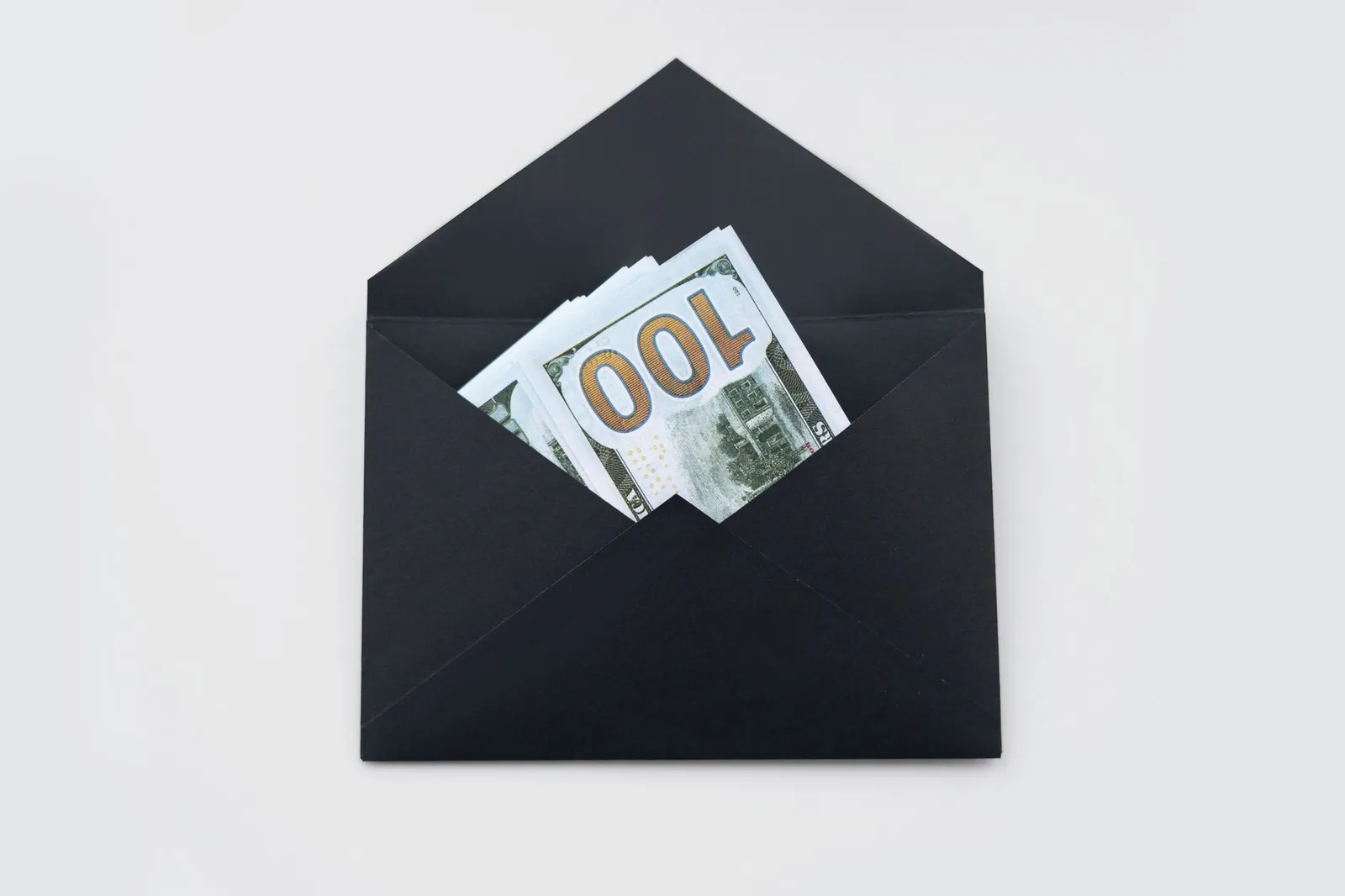
The envelope system forces you to stop spending because it makes your budget physical. Take the total amount of money you have for “wants” and withdraw it in cash at the start of the month. Divide this cash into envelopes labeled for specific categories like “Groceries,” “Entertainment,” or “Dining Out.” Once the money in an envelope is gone, you can’t spend any more in that category until the next month.
This isn’t for people who prefer the convenience of credit cards or who track every cent through automated banking apps. This method works because it uses the physical sensation of handing over cash to slow down your brain. If you find yourself holding an empty envelope, you have reached your limit.
You’ll know this is working when you start choosing to skip a non-essential purchase because you don’t want to empty your envelope before the month ends. If you have high-interest debt, prioritize your debt payments before allocating any cash to these envelopes.
Apply the twenty-four hour rule
If you feel the urge to buy something that isn’t a basic need, wait exactly 24 hours before you complete the purchase. This delay removes the emotional “high” that comes with impulsive shopping. During this time, ask yourself if you still want the item the next day. Most of the time, the urge to buy will fade away once the initial excitement disappears.
This fix is perfect for online shopping where “buy now” buttons make it too easy to act on a whim. If the item is still important after the wait, check if it fits into your budget categories for the month.
If it doesn’t fit, you must wait until the following month or save up for it. This requires patience and discipline, but it effectively prevents the “buyer’s remorse” that happens when you spend money you should have saved. You’ll know this is working when you find yourself with more money left over at the end of the month than you expected.
Stop common spending mistakes
- Shopping while hungry or tired: Your brain lacks the energy to make rational choices, which leads to buying items you don’t need.
- Saving the payment details on websites: Removing your saved card information forces you to manually enter it, which gives you more time to rethink the purchase.
- Following influencers on social media: Seeing people display luxury items creates a false sense of what you should own, leading to unnecessary spending.
- Buying items just because they’re on sale: A 50% discount is still an expense; if you didn’t need the item before the sale, you’re losing money, not saving it.
How to stop overspending and build better habits
You can change your financial future by setting clear rules for your behavior. The shift from reactive spending to proactive planning is the most important step in regaining your control.
| If you’re doing this | Do this instead | Why |
|---|---|---|
| Buying on impulse | Wait 24 hours | Emotions fade |
| Using credit cards | Use cash envelopes | You feel the loss |
| Checking balance late | Plan before spending | You stay in control |
| Buying for convenience | Cook at home | You save the markup |
Habits solidify when you link them to your existing routine. If you struggle with morning coffee runs, prep your machine the night before. This removes the friction that leads to unnecessary spending.
Consistency matters more than intensity. Start by auditing one category, such as groceries or entertainment, for a single month. When you master that area, move to the next. This incremental approach prevents the burnout that causes most people to abandon their financial goals entirely.
Frequently asked questions
How long does it take to change my spending habits?
It takes about 30 to 60 days of consistent tracking to build a new habit. You must follow your budget every day during this period to see the change in your bank balance. If you stop tracking your expenses for even a few days, you may find yourself slipping back into old patterns. Stick to your plan until it feels like a routine.
Is it safe to use budgeting apps?
It’s safe if you choose apps from reputable, established financial technology companies that use bank-level encryption. You should always read the privacy policy to ensure they don’t sell your personal data to third parties. If you’re worried about digital security, use a paper notebook or a spreadsheet on your personal computer instead of an app.
What happens if I go over my budget?
If you go over your budget, you must immediately reduce your spending in other categories to make up the difference. Don’t ignore the overage, as this creates a cycle of debt that’s hard to stop. Adjust your next month’s budget to account for the mistake and try to find where you miscalculated your needs versus your wants.
How much should I save each month?
You should aim to save at least 10% to 20% of your total income each month. This figure assumes you have already covered your essential living costs and have no high-interest debt. If you’re currently in debt, focus on paying that off first before you increase your savings rate. Check your local banking standards for specific savings goals.
Can I still buy things I like?
Yes, you can buy things you like as long as you plan for them within your “wants” category. The goal isn’t to stop spending money entirely, but to ensure your spending matches your priorities. By setting aside a specific amount of money for “fun,” you can enjoy your life without the stress of overspending or missing your bills.
Conclusion
Building a healthier relationship with your money takes time, so don’t be too hard on yourself if you slip up occasionally. Pick one small, non-essential expense you can cut this week to see how much extra cash you’ll save. You’ve got the tools to make lasting changes, so just keep going.