

Saving money can be hard. But with smart budgeting, it becomes easier. You do not need to earn a lot to save. Small changes in your spending can help you keep more money each month. In this article, you will find many simple and useful tips to budget well. These tips will help you save money step by step.
What is Budgeting?
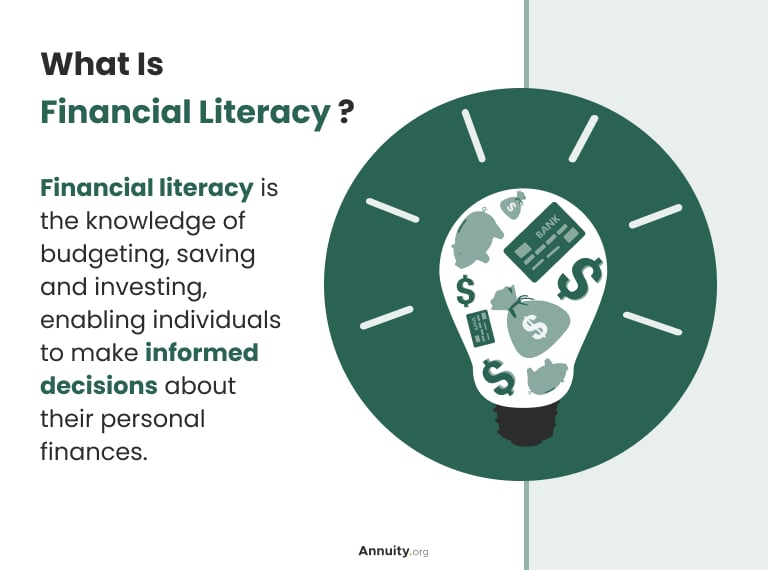
Budgeting means planning how to spend your money. It helps you know where your money goes. When you budget, you decide how much money to use for needs and wants. Needs are things you must have like food and rent. Wants are things you want but can live without, like eating out or buying new clothes.
Why is Budgeting Important?
- Control your money: Budgeting helps you see and control your spending.
- Save for future: You can put money aside for emergencies or goals.
- Reduce stress: Knowing your money is planned makes you feel calm.
- Avoid debt: When you budget, you are less likely to borrow money.
Step 1: Track Your Spending
First, write down every expense you have for one month. This includes small things like coffee or bus fare. Use a notebook or a simple app. Tracking shows where your money goes. You may find surprises like extra snacks or subscriptions you forgot about.
Example Table: Monthly Spending
| Category | Amount Spent |
|---|---|
| Food | $300 |
| Rent | $500 |
| Transport | $100 |
| Entertainment | $50 |
| Others | $50 |
| Total | $1000 |
Step 2: Set Clear Spending Limits
After tracking, set a limit for each category. Decide how much you want to spend on food, transport, and fun. Stick to these limits every month. This plan helps you avoid spending too much. You can adjust limits after a few months.
Step 3: Prioritize Your Needs
Always pay for your needs first. These are things like rent, bills, and groceries. Then, use the leftover money for wants. If money is low, cut down on wants to save more. This keeps you safe from money problems.
Credit: www.annuity.org
Step 4: Use the Envelope System
The envelope system is an old but useful method. Take envelopes and label them with categories like food, transport, and fun. Put the budgeted cash for each category inside the right envelope. When an envelope is empty, stop spending in that category. This method helps control spending well.
Step 5: Look for Ways to Save on Regular Costs
Many people spend too much on regular bills. Here are some tips to save:
- Switch to cheaper phone plans.
- Turn off lights when not in use.
- Use less water to lower bills.
- Buy groceries with a list to avoid extras.
- Cook meals at home instead of eating out.
Step 6: Avoid Impulse Buying
Impulse buying means buying things without thinking. It wastes money. To avoid this, wait 24 hours before buying something not planned. Ask yourself if you really need it. This pause helps you make better decisions.
Step 7: Save First, Spend Later
Make saving a habit. When you get your money, put some aside immediately. Even a small amount helps. You can use a separate savings jar or account. This way, you will not spend all your money.
Step 8: Use Discounts and Coupons
Look for discounts and coupons before buying. Many stores offer deals on certain days. Using these saves money on things you need. But do not buy things just because they are on sale.
Step 9: Plan for Big Expenses
Big expenses can surprise you. Things like school fees or repairs need money. Plan for these by saving a small amount each month. This way, you will have money when needed and avoid borrowing.
Step 10: Review Your Budget Regularly
Your needs and income may change. Check your budget every month. See what worked and what did not. Change your limits if needed. This keeps your budget helpful and real.

Credit: www.ramseysolutions.com
Extra Tips to Save More
- Buy second-hand items: Clothes and furniture can be cheaper.
- Use public transport: It costs less than taxis or cars.
- Limit subscription services: Cancel ones you don’t use.
- Grow your own food: Even a small plant can save money.
- Share expenses: Split costs with family or friends.
Simple Budgeting Example
Here is an example of a monthly budget for someone earning $1000:
| Category | Budgeted Amount | Notes |
|---|---|---|
| Rent | $400 | Must pay first |
| Food | $250 | Cook at home |
| Transport | $80 | Use bus or bike |
| Utilities | $70 | Electricity, water |
| Savings | $100 | Put aside first |
| Entertainment | $50 | Movies, outings |
| Miscellaneous | $50 | Unexpected costs |
| Total | $1000 |
Final Thoughts
Saving money is not about having a lot. It is about spending wisely. Budgeting helps you see your money clearly. Use the tips here to make a budget that fits you. Be patient. Saving money takes time and practice. Each small step brings you closer to your goals. Start today and watch your savings grow.
Frequently Asked Questions
What Is The Best Way To Start Smart Budgeting?
Start by tracking all your expenses for a month. It helps you see where your money goes and plan better.
How Can I Save Money Without Cutting Fun?
Set a small fun budget each month. Enjoy activities without overspending or feeling guilty.
Why Should I Create A Monthly Budget Plan?
A budget plan helps control spending and saves money. It gives a clear picture of income and expenses.
How Do I Stick To My Budget Every Month?
Review your budget weekly and adjust if needed. Use reminders and avoid impulse purchases.